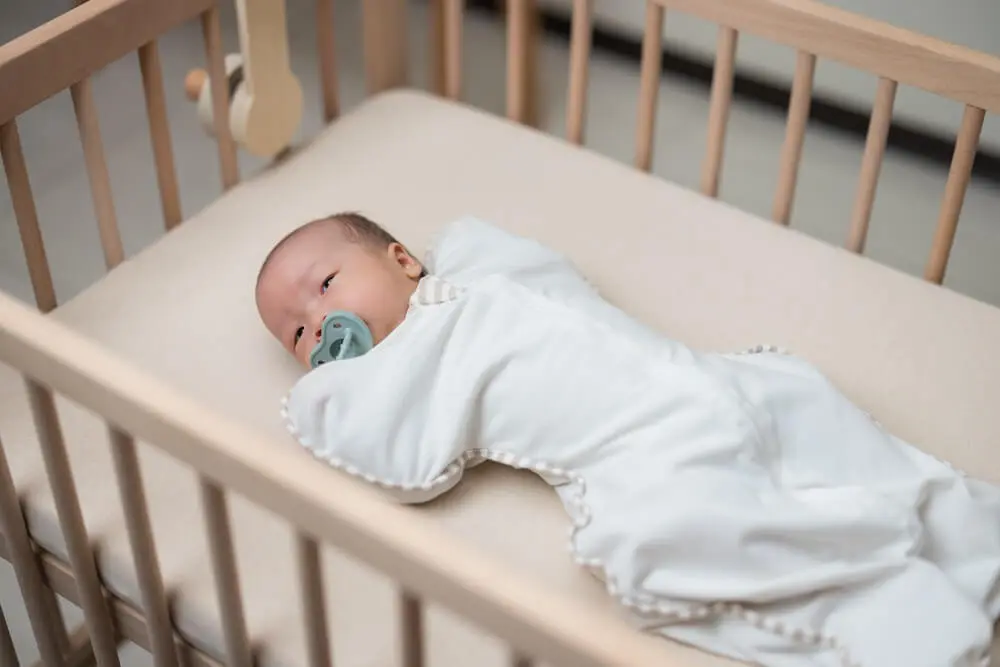
Can a Newborn Sleep with a Pacifier?

Last Updated: 
May 25, 2026
 | 
5
 minutes read
Written by
Amanda Kule
Parent Contributor
Medically reviewed by
Arik Alper, MD
Pediatric Gastroenterologist and Aerodigestive Specialist

TL;DR: Can a Newborn Sleep With a Pacifier?

  • Yes, healthcare providers, pediatricians, and health authorities like the American Academy of Pediatrics (AAP) say newborns can sleep with a pacifier during naps and nighttime sleep.
  • If your baby is breastfeeding, some experts recommend waiting about 3-4 weeks before introducing a pacifier to prevent what is known as nipple confusion.
  • Always follow safe sleep guidelines and check with your healthcare provider if you have questions about your newborn's sleep, feeding, or use of a pacifier.

A common question parents have is whether a newborn can sleep with a pacifier. While there are many differing opinions on if or when to introduce or take away a pacifier, it’s perfectly safe for a newborn to sleep with a pacifier. In fact, it has many benefits!

In this article we’ll walk through what healthcare providers and pediatric sleep consultants recommend when it comes to should newborns sleep with pacifiers, the pros and cons of pacifier use, and how to introduce a pacifier safely and prevent creating sleep habits later on.

{{table_of_contents}}

Can Newborns Sleep with a Pacifier? 

Yes, newborns can sleep with a pacifier. When baby sleep safety guidelines are followed, pacifiers for newborns are a great way to help soothe your little one and get them the rest they need. Especially as they adjust to their new world.

The answer to should you remove the pacifier when baby is sleeping is no. A newborn can sleep with a pacifier but if it falls out, you do not need to put it back if they are still asleep. 

Never force a pacifier on a newborn that resists it.

When to Introduce a Pacifier to a Newborn?

When to introduce a pacifier to a newborn can differ depending on what your personal wants as a parent, your healthcare provider’s recommendation, or how you’re feeding your newborn. 

Many parents find that a pacifier can support their newborn’s sleep and comfort within days of birth. 

However the American Academy of Pediatrics (AAP) advises that when to introduce a pacifier to a newborn depends on if you’re breastfeeding. For breastfeeding or chestfeeding parents, it recommends offering a pacifier and naps and bedtime only after breastfeeding is well established, usually around 3 or 4 weeks after birth. This is to allow you to start recognizing hunger cues, for the milk supply to regulate, and so your newborn gets used to feeding and starts latching well. 

Despite this, research in healthy babies up to 4-months found that when a pacifier was used from birth or right after breastfeeding started did not affect how often or for how long they breastfed.  This isn’t usually the case for babies drinking from a bottle.

If you’re still wondering when newborns can sleep with a pacifier in their mouth, speak to your healthcare provider or a lactation consultant for their recommendation. If your baby was premature, also speak to your provider for personalized guidance. 

Benefits for Having a Newborn Sleep With a Pacifier 

There are many benefits to having a newborn sleep with a pacifier.

  • Reduce the Risks of SIDS: Experts believe that pacifier use in newborns is tied to lowering the risk for Sudden Infant Death Syndrome (SIDS), but the research is still pending.
  • Comfort and Soothing: Sucking promotes feelings of safety and helps newborns self-soothe. They are a known way to soothe a crying baby.
  • Promotes Sleep: A pacifier can help relax a newborn to help them fall asleep.
  • Pain Relief: Pacifiers can help with minor pain relief or decrease stress. 
  • Reduce Thumb Sucking: Pacifiers can reduce a infant’s development of a finger sucking habit. 

Are There Any Risks for a Newborn to Sleep with a Pacifier All Night? 

There are limited risks for a newborn to sleep with a pacifier all night, as long as they are also sleeping in a safe sleep environment, on their back, with nothing else in the crib.

Newborns are too young to develop a habit or reliance on a pacifier, so you don’t need to worry about the risk of them becoming dependent on it or them affecting sleep. This typically happens after the 4th trimester when they begin to recognize patterns and when they develop object permanence

It is also safe for a newborn to sleep with a pacifier when it comes to dental concerns. Pediatric dentists don’t start recommending stopping a pacifier until toddlerhood. The American Academy of Pediatric Dentistry recommends eliminating the pacifier before a toddler turns 3.

Potential risks of introducing a pacifier to a newborn may include:

  • Germs if they are not properly cleaned or sterilized
  • Interference with breastfeeding if feeding patterns or milk supply isn’t established
  • Some parents and experts worry about preventing confusion between the nipple and the pacifier 
  • If pacifier use continue into babyhood, potentially could develop a sleep association   

How to Choose the Right Newborn Pacifier for Sleep

A newborn can sleep with a pacifier at night and during naps if it is:

  • Labeled appropriate for newborns
  • BPA-free and made with safe ingredients
  • Constructed as one piece  
  • Includes holes in the shield for breathing
  • Easy to clean

Do not offer a pacifier for sleep that:

  • Has clips on it
  • Comes with strings or cods
  • Has stuffed animal attachments
  • Is broken or worn down
  • Made of more than one piece

Read the instructions on when to replace a pacifier. Always make sure there are no holes or signs of wear. 

Final Thoughts

A newborn can sleep with a pacifier safely. Like with many parenting decisions, it’s up to you whether or not you choose to use a pacifier. Speak to your healthcare provider to address any of your questions or concerns. 

As your newborn gets older, their relationship with a pacifier may change. But during the newborn stage, you can let a newborn sleep with a pacifier. For questions on when pacifiers when your baby is older, read our article on all you need to know about pacifiers and when to take the binkie away.

If you’re hoping to start building healthy sleep habits early, and prevent future sleep challenges caused by things like reliance on pacifiers, download the Smart Sleep Coach by PampersTM app. You can also take this free 3-minute sleep assessment to better understand your baby’s current sleep patterns and needs.  

Newborn sleep can be all over the place and changes fast, but a pacifier is a safe, effective way to help soothe and calm them to sleep – which in the early days where sleep is all over the place could mean a little more rest for you, too!

Week 1
Know what to expect – for both you and your newborn.
Read about it on the appRead about it on the app
Welcome to the 4th trimester!
Know what to expect – for both you and your newborn.
Read about it on the appRead about it on the app
Want week-by-week updates on the Fourth Trimester?
Know what to expect – for both you and your newborn.
Download Smart Sleep Coach appDownload Smart Sleep Coach app
Curious if the Smart Sleep Coach App is Right for You?
Try the app free for a week – many parents see improvements in sleep after a few days!
GET STARTEDGET STARTED
Curious if the Chair Method is Right for You?
Tell us about your baby’s sleep and we’ll recommend a sleep training method – for free!
GET STARTEDGET STARTED
Curious if the Gentle Method is Right for You?
Tell us about your baby’s sleep and we’ll recommend a sleep training method – for free!
GET STARTEDGET STARTED
Curious if the Ferber Method is Right for You?
Tell us about your baby’s sleep and we’ll recommend a sleep training method – for free!
GET STARTEDGET STARTED
Curious if Pick Up, Put Down is Right for You?
Tell us about your baby’s sleep and we’ll recommend a sleep training method – for free!
GET STARTEDGET STARTED
Want to Shorten a Sleep Regression?
Tell us about your baby’s sleep patterns and we’ll create your custom plan – for free!
GET STARTEDGET STARTED
Better Sleep Without Sleep Training is Possible
Tell us a bit about your baby’s sleep and we’ll create your custom plan – for free!
GET STARTEDGET STARTED
Looking to Drop a Night Feed?
Tell us a bit about your baby’s sleep and we’ll create your custom plan – for free!
GET STARTEDGET STARTED
Looking to Drop a Night Feed?
Tell us a bit about your baby’s sleep and we’ll create your custom plan – for free!
GET STARTEDGET STARTED
Your Baby Can Be A Super Sleeper
Your personalized sleep plan is a few clicks away! Step-by-step sleep training with the Smart Sleep Coach app.
Get StartedGet Started

Tell us a bit about your baby’s sleep and we’ll create your custom plan – for free!

GET STARTED

Studies show new parents can lose as much as two hours of sleep every night after their baby comes!

“Thanks to the Smart Sleep Schedule, I’ve been able to follow my baby’s natural rhythm, and stick to the wake windows. This makes a huge difference in her ability to nap longer.”

Learn More
Tell us a bit about your baby’s sleep and we’ll create your custom plan – for free!
Studies show new parents can lose as much as two hours of sleep every night after their baby comes!
Looking to drop a night feed?

Tell us a bit about your baby’s sleep and we’ll create your custom plan – for free!

GET STARTED
What parents tell us

Thanks to the Smart Sleep Schedule, I’ve been able to follow my baby’s natural rhythm, and stick to the wake windows. This makes a huge difference in her ability to nap longer.

Discover the Smart Sleep Schedule
in this article:

FAQs:

You can give your 3-day-old a pacifier. Some parents and experts choose to wait to offer a pacifier until feeding patterns and milk supply is established. However, it is generally safe to offer a pacifier to a 3-day-old newborn to help soothe them.

Some doctors say no to pacifiers in babies because of potential risk of ear infections, dental problems, breastfeeding problems, or germs. Also some doctors have personal preferences as to why they don’t recommend pacifiers in babies. Ask your doctor their stance on no or yes to pacifiers.

Pacifiers can reduce irritability or pain by helping a colicky baby relax enough to fall asleep or calm down. If your baby is fed, changed, healthy, and comfortable yet still crying, a pacifier can activate their sucking reflex which is known to reduce stress and promote relaxation.

You do not need to put the pacifier back in if it falls out at night. If your newborn wakes up crying, you can try offering the pacifier again.

The best pacifier for a newborn is one that is designed specifically for newborns, designed to be one piece with safe materials, has holes for venting, and is easy to clean. There are many pacifiers for newborns and your baby may prefer one over the other. As long as they are properly designed, safe, in good condition, clean, and don’t have any attachments, you can see which one your newborn likes best. Also you can ask your healthcare provider to see what they recommend.

A Personalized Plan to Transform Your Sleep

How old is your baby?

Thank you! Your submission has been received!
Oops! Something went wrong while submitting the form.

How We Wrote This Article

The information in this article is based on the expert advice found in trusted medical and government sources, such as the American Academy of Pediatrics and the American College of Obstetricians and Gynecologists. You can find a full list of sources used for this article below. The content on this page should not replace professional medical advice. Always consult medical professionals for full diagnosis and treatment.

References

American Academy of Pediatric Dentistry, “Policy on Pacifiers

BMC Pediatrics, “Poor oral habits and malocclusions after usage of orthodontic pacifiers: an observational study on 3-5 years old children

Cochrane Database of Systematic Reviews, “Effect of restricted pacifier use in breastfeeding term infants for increasing duration of breastfeeding

HealthyChildren.org, “Baby Pacifiers & Thumb Sucking: What Parents Need to Know

Pediatrics, “Do Pacifiers Reduce the Risk of Sudden Infant Death Syndrome? A Meta-analysis

Written by
Amanda Kule
Parent Contributor

A writer and communications leader working in the health and wellness space for nearly 15 years, Amanda has had two very different experiences with baby sleep. After spending the first 3 years of motherhood struggling, she turned to Smart Sleep Coach by Pampers™ for round 2. Her six month old now sleeps like a dream, and she wants to shout it from the rooftop so other parents dealing with sleep deprivation, cranky babies, unpredictable routines, and dark under eye circles can “take back the night”—and make it through the day.

Thank you! Your submission has been received!
Oops! Something went wrong while submitting the form.