

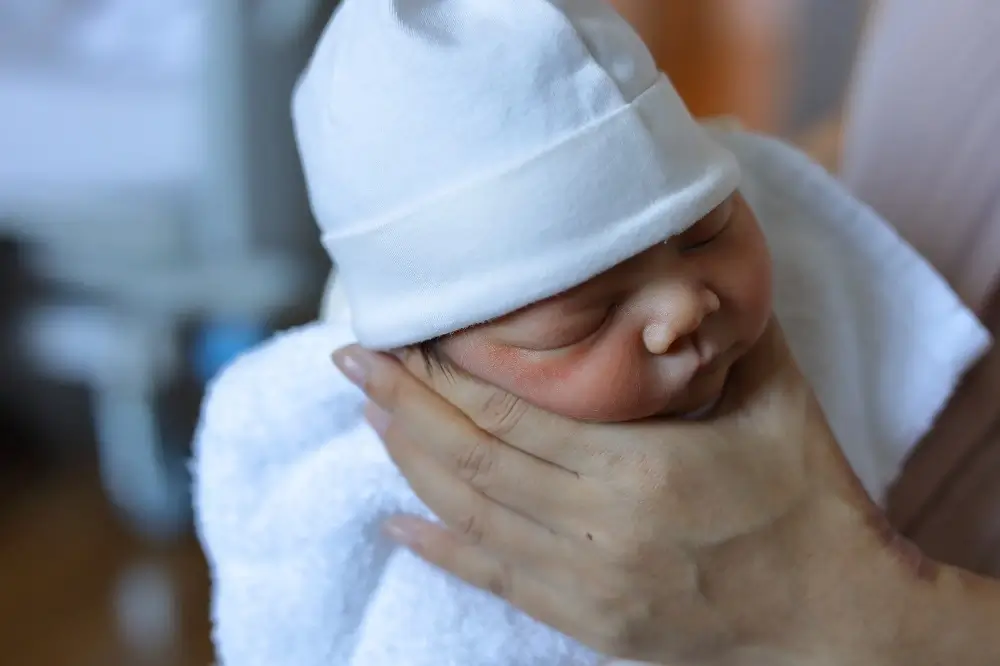


How to get an infant to burp is one of the first things parents will try to figure out after their little one comes home. Whether breast or bottle fed, awake or asleep, newborns need to be burped during and after feedings to get rid of any air that they’ve swallowed and make room for more milk or formula in those tiny bellies.
However, when it comes to how to burp a sleeping baby, it’s not always so simple. In this article we share why it’s important to burp a sleeping baby, tips on how to burp a newborn who is asleep, and what to do if your newborn won't burp at night.
{{table_of_contents}}
How to Burp a Sleeping Baby
Figuring out how to burp a sleeping baby can take a bit of practice and trial and error, but it’s an important part of making sure your baby is comfortable and healthy. Since newborns sleep most of the day and often fall asleep while feeding, and older infants may benefit from dream feeds, knowing how to get an infant to burp while asleep can make both your feeding and sleeping journeys a bit easier. Food and sleep are both important for healthy growth!
Techniques to use to burp your sleeping baby
If your infant falls asleep after a feeding session or you are doing a dream feed, the goal is to keep your baby asleep while still relieving their gas. Therefore, the burping practices you choose should be as gentle and soothing as possible.
The following are common burping techniques that can be tried on a sleeping baby to help burp and release any swallowed air or gas. Remember if one burping method isn’t effective, you can try another.
Burp sleeping baby on your shoulder
- Hold baby firmly against your shoulder
- Support baby’s bottom with one hand
- Gently pat or rub baby’s back with the other hand
Burp sleeping baby face-down on lap
- Place baby tummy down across lap (like tummy time on your lap)
- Be sure baby’s stomach is on one of your legs and their head is turned sideways on the other leg
- Support baby’s head with your leg so it is slightly higher than their chest
- With one hand securely holding baby, pat or rub their back with the other hand
Burp sleeping baby sitting up
- Hold baby in a seated position on your lap, leaning slightly forward
- Support head and chest with one hand while patting or rubbing baby’s back
- Baby also can be rocked forward and back in this position

Additional burping methods for newborns
While certain burping techniques are more likely to keep your sleeping baby asleep, how to burp your infant successfully may require some trial and error.
All babies are different and while some babies may wake up when burped using the below methods, others burp better and stay asleep! If your baby does wake up, burping is one way to soothe a crying baby so keep trying for the burp before putting them back to sleep.
Sloth hold
- Turn baby away from you at 45 degrees so tummy is on your forearm and legs are dangling
- Support baby’s head in crook of your elbow
- Gently pat or rub baby’s back with free hand
Walk with sleeping baby
- When baby has good head control, hold upright in front of you, facing outwards
- Support baby’s bottom with one hand and the other across their tummy which will provide light pressure
- Stand and walk with baby in this position
Massage tummy
- Place baby on a safe surface on their back
- While looking at baby, gently stroke their stomach from lower right of belly to lower left (here’s how to massage your baby’s tummy)
Rocking motion
- Place baby on a safe surface on their back
- Put a hand on each side of baby’s tummy
- Gently rock baby from side to side
Why Does a Sleeping Baby Need to be Burped?
Babies need to be burped after feeding – even if they’re asleep – to help release trapped air swallowed while eating. For infants, that trapped air can cause tummy discomfort or make it harder for them to drink enough breast milk or formula. Because a newborn’s digestive system is still developing, they often need your help to get that burp.
Young babies eat and sleep around the clock – typically 8-12 feedings every 2-3 hours, including overnight – and can sleep up to 17 hours in a 24-hour period. With all that sleeping, it’s completely normal for them to drift off during a feeding.
Even though risking waking a sleeping baby with burping may seem counterintuitive – no one wants to wake a peaceful newborn – skipping it can backfire. Trapped air may lead to fussiness, squirming, or sudden wakeups later in the night. Burping after a feeding, even if your baby is asleep, is key for keeping them comfortable, asleep, and well-fed.
As your baby grows and becomes more mobile, they’ll naturally relieve gas on their own and need less help burping. (Newborn active sleep can help, too!)
When to Burp a Sleeping Baby?
All babies are different, but typically when to burp your sleeping baby depends on how they are feeding, their age, and whether they are experiencing reflux or similar conditions.
- Burping When Breastfeeding: Burp your baby before you switch from one breast to the other.
- Burping When Bottle Feeding: Burp your newborn each time they have finished 1 to 2 ounces (30 to 60 milliliters) of formula or breast milk.
- Burping an Extra Gassy Baby: If your baby is extra gassy or experiencing reflux, you can burp them even more often. Some recommend after every ounce. Burping may also help a colicky baby.
- Burping an Older Baby: For older babies who are more mobile or sitting up and seemingly relieving their gas independently, you don't need to burp them as often. If they don’t burp, they may have already passed gas on their own.
Whether you wake your newborn to feed, they wake naturally to feed, or they fall asleep while feeding, make sure you have a burp cloth nearby just in case of spit up or dribbles before you start burping. This is especially important during the newborn stage (also known as the 4th trimester), where spit up happens a lot.
Should I be burping after dream feed?
You should try to burp your baby after a dream feed, which is a late-night feeding done when your baby is asleep, typically before you go to bed, to help your baby (and you!) sleep longer stretches at night. It’s usually timed about 2-3 hours after your baby’s last feeding.
Since many babies continue to feed during the night well into their first year, dream feeds are a great way to top them up as part of your own bedtime routine and minimize frequent wakeups. However, if you don’t burp them they can wake up from discomfort anyways.
It’s easy to learn how to successfully dream feed your baby but sometimes a burp may not happen immediately. However, it’s important to at least try to burp them before putting them down again on their back in their crib to alleviate potential trapped gas – and unnecessary wakeups.
If your baby is prone to spitting up, you should try to burp them after a dream feed until gas is passed.
What if My Baby Doesn’t Burp at Night?
If you’re wondering what happens if your infant doesn't burp: don't worry. As your infant gets older, it’s normal for there not be a burp every time or for them to pass gas naturally on their own. Be patient and try not to force it.
Most often, they will pass gas from the other end while sleeping (or something else which may require an overnight diaper change). If your baby isn’t bothered by gas after feeding and is eating well, they may not even always need a burp! Some infants don’t swallow as much air as others when they feed.
Occasionally, your baby may spit up a little in their crib or wake up fussy because of a trapped burp that didn’t make it out earlier. If that happens, a quick burp and some cuddles will usually help them settle back to sleep.
Some experts say that babies who don’t burp but are prone to gas can be held upright for 15 minutes after feeding, which may help get the burp and prevent discomfort. The over the shoulder position burping position works well in this situation. Your healthcare provider may have more tips, too.
Important Tips for Nighttime Burping to Prevent Wakeups
Here are some of our best practices for nighttime or dream feed burping:
- Use gentle movements to avoid startling or waking your baby
- If your baby has reflux or seems gassy, burp them more often throughout a feed
- Always keep a burp cloth nearby for any surprises and prevent any changes to what they are wearing at night
- If your baby seems to spit up often or is uncomfortable, try holding them upright for 15 minutes after feeding, if needed
- Be patient and don’t force burping as your baby may release gas naturally
- Take this free sleep assessment to make sure your baby is on the right sleep schedule for their age and needs which can help prevent unnecessary wakeups not due to burps
- Always continue nighttime feeds and nighttime burping in a dark, quiet room
- Return your baby to their safe sleep space and lay them on their back after burping while asleep, even if colicky (more on baby sleep safety)
- Download the Smart Sleep Coach by PampersTM app for more tips on manage nighttime wakings, dropping naps or nighttime feeds, and helping your baby fall back to sleep after feedings and sleep through the night
- All babies are different, and some may naturally swallow more or less air – and need more or less burping
- Reach out to your healthcare provider if you have any concerns or questions about feeding, burping, or sleep
And remember, the safest position for a gassy baby to sleep is on their back!
When Can I Stop Burping My Baby at Night?
As your baby gets older they will naturally become better at feeding, digesting, and releasing gas, which is when you often can be stop burping. This typically happens around 4 to 6 months when your baby becomes more mobile and their digestive system more mature – for some as early as 2-months-old. For example, a baby who can sit up or is starting to crawl may have an easier time releasing gas without extra help, even if asleep.
All babies are different so keep an eye on your baby's cues and comfort to help you decide when it’s okay to stop burping. If you are concerned with your baby’s feedings, digestion, acid reflux, or more, discuss with your healthcare provider.
Final Thoughts
Whether your baby is breastfed or bottle-fed, burping is an important part of feeding – awake or asleep. It helps release the trapped air your newborn or older baby swallows during feeding, which can cause excess gas, discomfort, or spitting up. Even though swallowing air is completely normal and will happen all throughout life, burping helps your baby release that air until their bodies are developed enough to do it itself.
Even though burping can sometimes be more frustrating when they are asleep – some burp quickly, others take their time or skip it altogether – with time you’ll learn the burping techniques that work best.
If you ever have concerns about your baby’s gas, discomfort, feeding patterns, or sleep, always reach out to your healthcare provider. They can help make your baby is comfortable and on the right path to get everything they need to grow and thrive.


