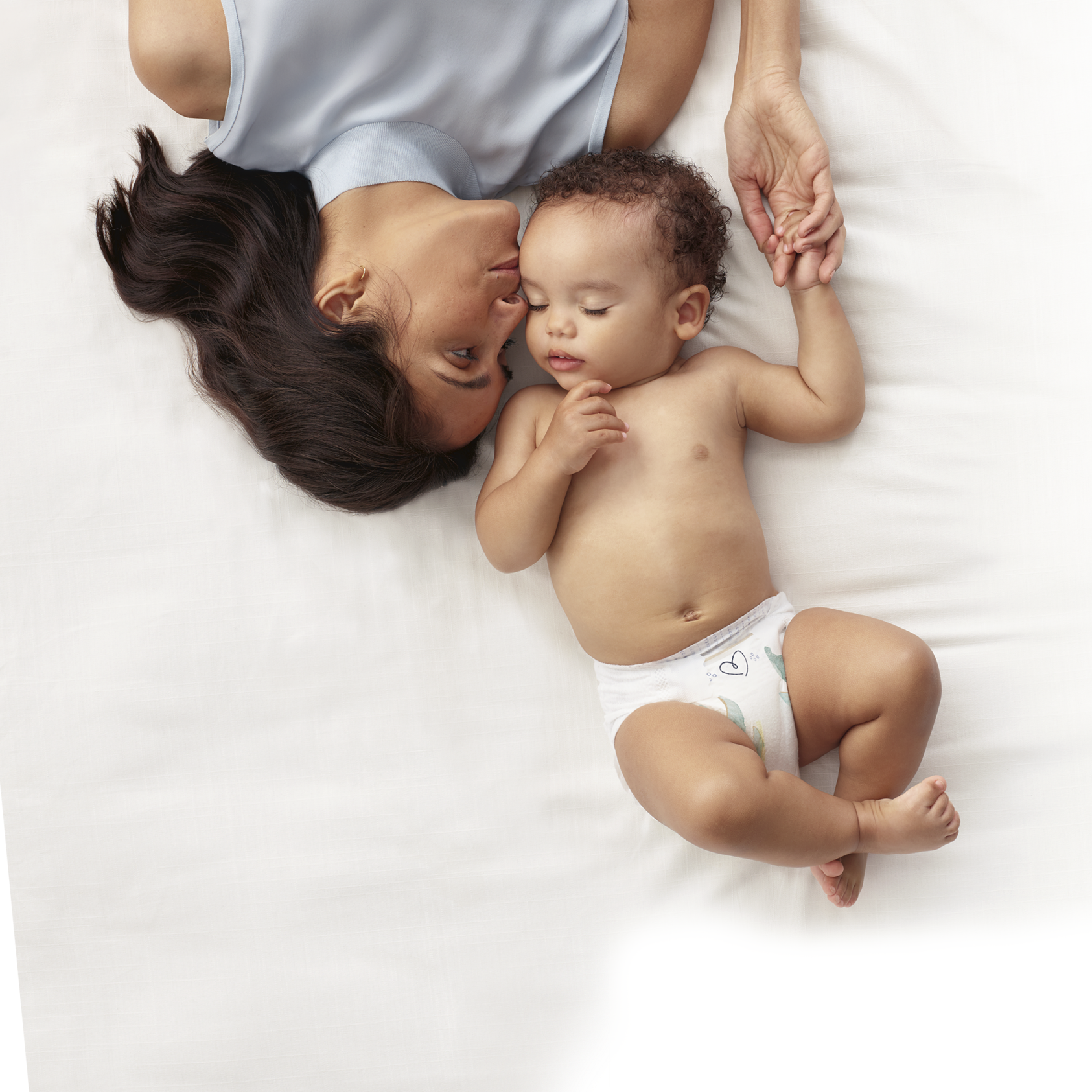
Parents often wonder whether it’s possible to gently sleep train their baby – and the answer is yes!
While there are many sleep training methods to choose from, gentle sleep training takes a more gradual approach that includes plenty of reassurance and support from you along the way. Because of this slower, more responsive pace, gentle methods usually take longer to see results than more hands-off approaches.
In this article we'll explain how gentle sleep training works and answer the most common questions about how to start sleep training with the gentle method.
If you’re looking to explore gentle sleep training and don’t know where to start, take this free sleep assessment to get personalized guidance and suggestions on what sleep training method may be best for you.
{{table_of_contents}}
What is the Gentlest Sleep Training Method?
When parents ask, "what is the gentlest sleep training method", the honest answer is: it depends. All babies and parents are different, so what feels gentle for one household may not feel that way for another. Many parents consider Bedtime Fading the gentlest option because it’s highly gradual, limits crying, and helps babies slowly build the stamina to get comfortable with falling asleep independently. Others prefer the Shuffle method, a gentler take on the Chair sleep training method, which keeps parents close while support is slowly reduced.
While a method like Pick Up, Put Down is more gentle than a method like Cry it Out method, both still involve less parental involvement than traditionally gentle methods. However, many parents prefer methods that are faster over gradual, even if there may be more crying at first.
Whatever you choose, the gentle sleep training method you choose should fit with your parenting style and is one that you can confidently and consistently deliver, every bedtime, every middle-of-the-night wake up, all the time.
{{curious-if-gentle-method-right-for-you-no-image}}
How Do I Sleep Train with the Gentle Method?
How to sleep train with Bedtime Fading
Here is a step-by-step guide to performing the gentle sleep coach method Bedtime Fading.
Day 1:
- Feed your baby before starting your bedtime routine
- Perform your usual bedtime routine
- Start a timer (you can do this via the Smart Sleep Coach app)
- Support your baby to sleep as you usually do (unless that's feeding)
- Once your baby is asleep, leave the room
- If they cry, wait 1-2 minutes before re-entering the room and repeating the steps
Day 2 and beyond:
Each night start to reduce the amount of time you spend supporting your baby to sleep by around 1-2 minutes or more, based on your comfort levels. That means if you spend 10 minutes helping your baby fall asleep the night before, try for 8-9 minutes the next night.
Your baby’s temperament plays a huge role in the success of gentle sleep training. For some babies, too much parental intervention can actually be more distracting. If your baby isn’t taking to this method within a couple of weeks, you can explore and try one of the other methods of sleep training methods.
How to sleep train with the Shuffle method
Here is a step-by-step guide to performing the gentle sleep coach method Shuffle, also known as Gradual Guardian.
Day 1:
- Place a chair next to your baby's crib
- Feed your baby before starting your bedtime routine
- Perform your usual bedtime routine
- Put your baby down in their crib sleepy but still awake
- Leave the room
- If your baby starts to cry or fuss, go back into the room and provide a brief reassurance (verbal is best but if you need to pick them up or rock them, that's okay too)
- Sit in your chair
- If they continue to fuss, reassure from a distance, use your judgement if you need to physically reassure them again
- Return to your chair and repeat until they fall asleep
- If they wake in the middle of the night crying repeat steps 6 through 9
Day 2 and beyond:
Each night, as you feel comfortable, you move the chair further away from the crib before beginning the same steps above. Many parents choose one foot a night but you can do what feels right. You continue until finally the chair is outside of the door.
With patience and consistency, Eventually your baby will start falling asleep on their own and requiring less support if they wake.
Which Gentle Sleep Training Method is Best?
Which gentle sleep training method is best depends, because every baby is different and therefore responds to sleep training differently. This is why the Smart Sleep Coach by Pampers™ app has a sleep training questionnaire to figure out which sleep coaching method may be best. What works for one baby may not work for the rest, and of course what one parent is comfortable with may not work for another.
When choosing a gentle sleep coaching method you must consider a few things:
- How quickly do you want to get sleep on track? A gentle sleep training method is typically slower than methods that give your baby the space to practice falling asleep independently. The Cry-it-Out method is often faster. There are more moderate methods of sleep training Pick Up Put Down method, Ferber method and Chair method.
- How comfortable are you with giving your baby space and time to fall asleep? If you choose to gentle sleep train, it limits crying and the amount of time you leave your baby to fall asleep on their own. However, for some babies your presence can cause even more protest or prolongs their frustration at bedtime if they aren't getting the support from you that they want.
- What is your baby’s temperament? Is your baby’s protesting escalated when you enter the room, or escalating when you try to calm them down? If so, then you might want to consider less parental involvement, or a less gentle sleep training method.
- Are all of your baby’s caregivers on the same page? Consistency is the key to sleep training success so you need everyone rowing together if this is going to work, since any deviation can set you back to the beginning.
- How old is your baby? You can't sleep train a newborn and many experts recommend not starting to sleep train until at least 3 or 4 months of age or until you have approval from their healthcare provider. If you're trying to sleep train a toddler, keep in mind less gentle methods may be less effective. This is because they likely have developed a sleep association and that habit is easier to "break" if the sleep training approach is more black and white.
What if the Gentle Method Doesn’t Work?
If the gentle sleep training method doesn’t work, then you can try one of the many other methods of sleep training. Before changing methods you should ask yourself:
- Have we been 100% consistent?
- Have we tried this method consistently for at least 7 days without improvement? (14-days is ideal)
If you can answer yes to both of the above, then you can consider switching to another method – it's often recommend you try the slightly less gentle Ferber method or Chair method next. You can re-take our sleep training method quiz on the Smart Sleep Coach by Pampers™ app.
Just remember, you can still feed your baby at night and respond to your baby’s needs when sleep training.
How Long Does Gentle Sleep Training Take?
Gentle sleep training takes longer than other methods with less parental involvement. Many gentle methods can take weeks or months before your baby is falling asleep independently. However every baby is different and some do great if their method is delivered consistently and their sleep schedule is aligned with their natural rhythms.
When delivered consistently, some less gentle sleep training methods can improve sleep in as little as 7-14 days. However every baby and their sleep challenges are different.
It is also important to remember, habit change takes time and while you may see initial improvements quickly, solidifying healthy sleep habits for the long-haul can take a few weeks. (That said, once you get the fundamentals in place and your baby has fine tuned their sleep skills, it is much easier to get sleep on track next time there is a sleep regression).
What are the Benefits of Sleep Training with a Gentle Sleep Training Method?
The benefits of sleep training with a gentle sleep training method (or any method) include:
- Providing your baby with the sleep they need to keep growing
- Helping you sleep more since your baby sleeps better
- Offering ore emotional balance for babies and parents
- Improve babies’ learning and cognitive abilities
- Improve babies’ emotional balance
- Improve overall physical health (For example, studies show that babies that sleep coach are less likely to be obese)
Whichever method of sleep training you chose, you can always feed your baby at night if they wake for feeds. Sleep training focuses on building healthy sleep habits. For infants and young babies who still feed overnight, you can sleep train without night weaning.
Do I Gentle Sleep Train My Baby at Nap Time?
Yes, naps are an essential part of gentle sleep coaching.
However, during naps, your baby’s sleep drive is lower, so their ability to stay awake and protest sleep is higher. Some experts recommend trying a different sleep training method to give them the space and time to practice falling asleep. Less intervention can mean less stimulation so they are more likely to fall asleep without your support.
That said, you can use your preferred gentler method for naps – just be aware that it may be successful and could result in an overtired baby.
Final Thoughts
The goal with gentle sleep training is to help your baby develop the innate skill of falling asleep independently and falling back to sleep without calling out for you if they wake. The gentle method is a safe way to work toward this goal but can be slower than other sleep training methods.This is because babies may come to rely on you picking them back up before they can settle.
If you’re looking for answers to any and all of your gentle method sleep training questions, or step-by-step support to put it in practice, download the Smart Sleep Coach by Pampers™ app.
Choosing a sleep training method for you and your family can be a confusing process. Having confidence and remaining consistent, and enlisting expert support via apps like Smart Sleep Coach, is key for going through the journey of sleep training and successfully building strong independent sleepers.